It takes a village…
to get out of poverty
The things that keep families poor are rarely theirs alone — water, livelihoods, markets, natural resources, village institutions and access to services are often shared. UdGram works on these together — with every household and with the village as a whole.
UdGram is The/Nudge's whole-of-village program in Rayagada, Odisha.
Poverty rarely comes one problem at a time.
A small rainfed farm may provide food for part of the year, but not enough income for everything else.
- When the water runs short, there may be no second crop.
- When crops are sold individually, farmers have little say over price.
- When livestock falls sick, a family's savings can disappear.
- When a government scheme exists but the family cannot access it, an opportunity is lost.
Some problems cannot be solved by a household alone.
A family can improve its farm.
But it cannot build the village's water system.
It can grow more vegetables.
But it cannot create a better market on its own.
It can apply for a government scheme.
But it may still need help navigating the system.
That is why UdGram works at two levels at the same time: with households, and with the systems around them.
UdGram (Ud = upward, Gram = village)
UdGram is built around a simple idea: the village is the unit of change. We work with every household in a village for a fixed period, while strengthening the institutions and systems that the village depends on. Families get support to improve livelihoods, health, nutrition, water and access to entitlements. At the same time, the village works on shared challenges, from farm water and natural resources to markets and local institutions. We build wherever possible on what already exists: SHGs, Gram Sabhas, government schemes, community institutions and local knowledge.
The aim is to leave behind stronger households and a stronger village.
01
Every household
UdGram works with every household in the village. The aim is progress that reaches the whole community, not a small group of selected families.
02
Household and village together
Each household has its own priorities. These sit within a Village Development Plan shaped with the community and Gram Sabha.
03
Work through existing systems
We connect families and villages to the government programs, institutions and services that already exist, rather than building parallel systems wherever possible.
04
Local people carry it forward
Community resource persons, SHGs, village institutions and local cadres build the knowledge and capacity to keep the work going.
05
A defined journey
UdGram works with a village for 30 months — moving from understanding the village, to building foundations, to improving livelihoods, and finally to transition.
What UdGram does
Four things have to move together.
Better incomes are important. But income alone does not make a village resilient.
UdGram works across four connected areas — the foundations of wellbeing, livelihoods, village institutions and the natural resources that support them.
01
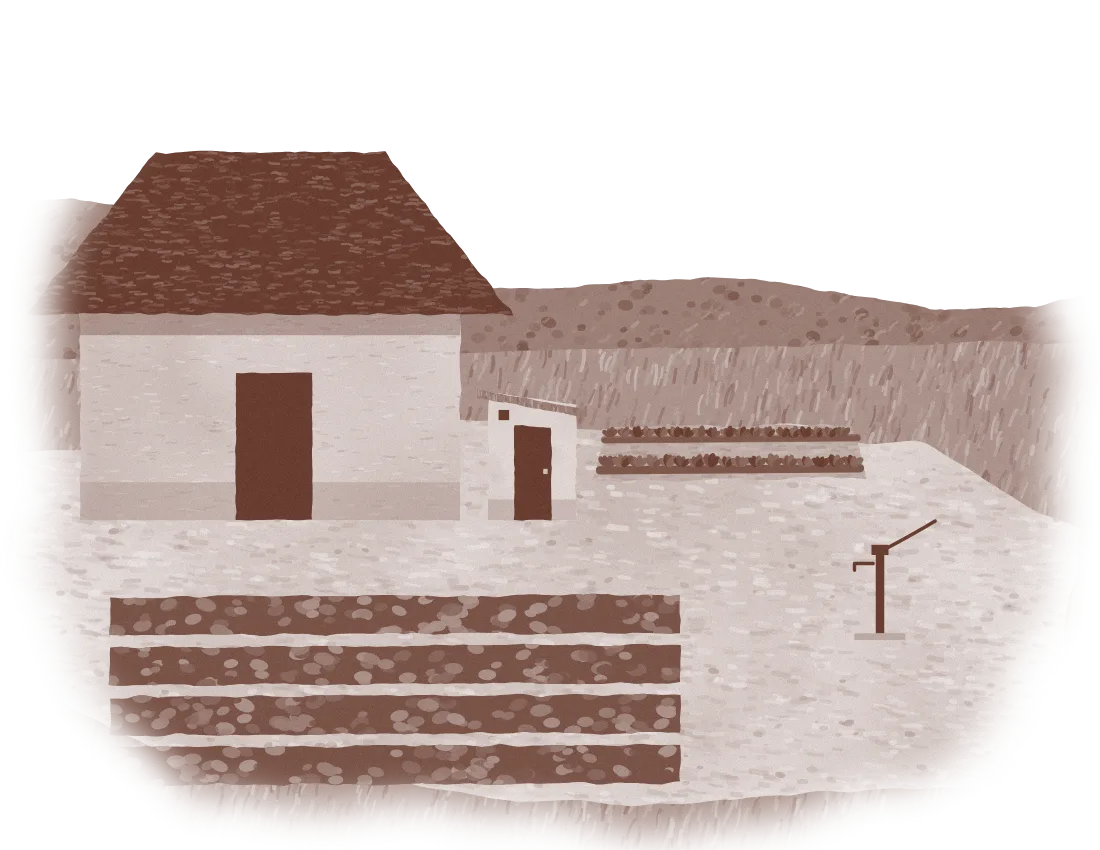
Wellbeing & foundations
Enable families to access the essentials they need to move forward.
- Safe drinking water
- Household hygiene and sanitation
- Nutrition gardens and better diets
- Access to government schemes and entitlements
- Stronger village health and nutrition services
- We look at:
- water, sanitation, nutrition, health and inclusion
- Threads:
- water, health, nutrition, sanitation
02
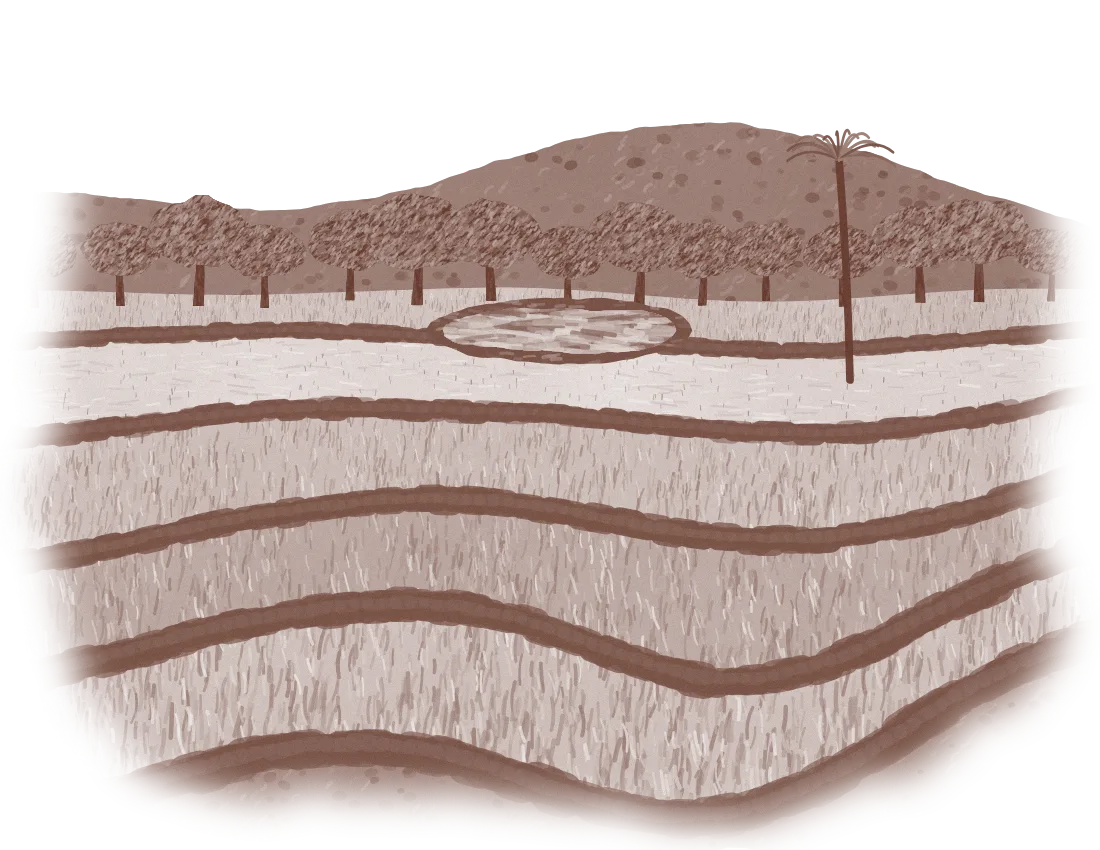
Sustainable livelihoods
Enable families to earn more through sustainable livelihoods.
- Better farming practices and healthier soils
- Improved livestock management
- Water for farming and opportunities for a second crop
- Better access to markets and collective selling
- Longer-term livelihood diversification
- We look at:
- income and production
- Threads:
- soil, agriculture, livelihoods & cash
03
Strong village institutions
Build the local institutions that can keep progress going.
- Stronger SHGs and village organisations
- Village Development Committees
- Producer groups and farmer collectives
- Community resource persons such as Krishi Sakhis and Pashu Sakhis
- Savings, credit and financial inclusion
- We look at:
- financial and social inclusion
- Threads:
- voice & institutions, livelihoods & cash
04
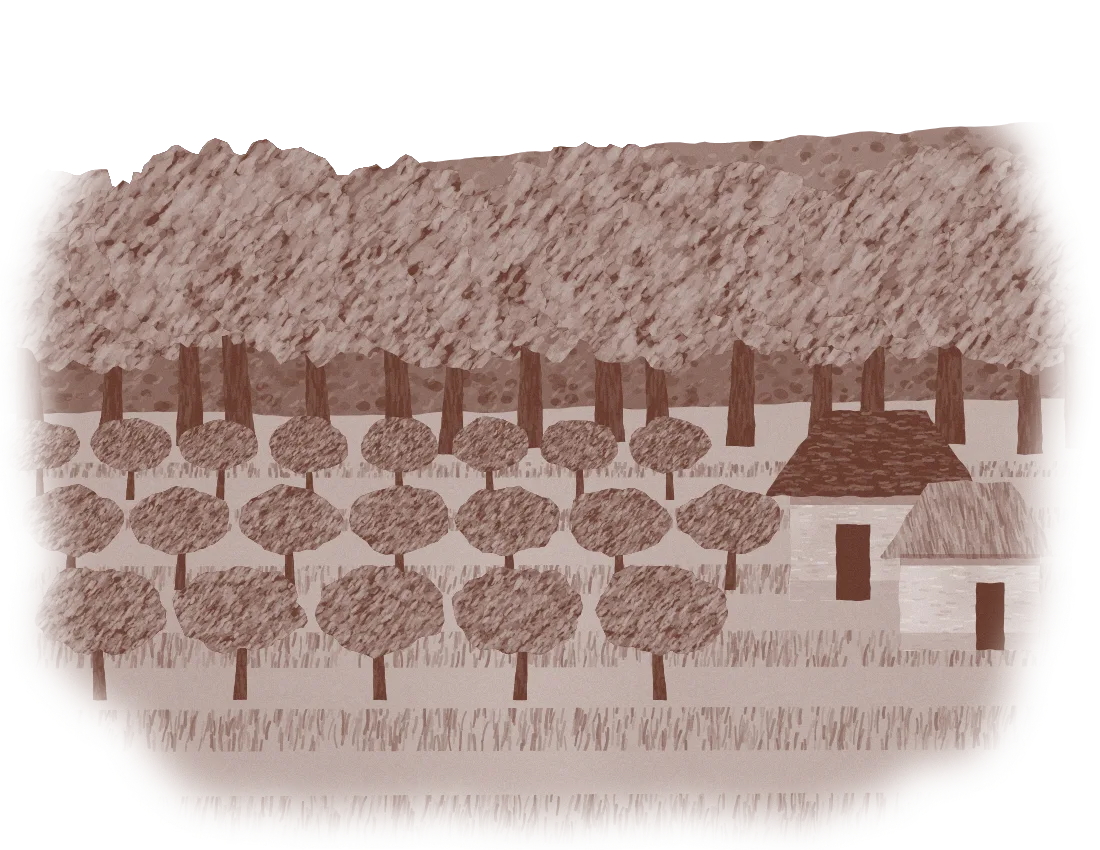
Climate-resilient systems
Protect the land, water and natural resources that livelihoods depend on.
- Watershed and water-recharge work
- Soil and water conservation
- Village-level bio-input systems
- Sustainable use of forest produce
- Climate-adapted seeds and seed banks
- We look at:
- water security and the long-term resilience of livelihoods
- Threads:
- water, soil, forests & commons
Everything is connected.
Choose a thread to see how UdGram responds — and how one intervention can strengthen others.
Tap any glowing dot on the jhoti.
Each dot is one thread in a family's life. Tap it to see how UdGram responds, and which other threads that work strengthens.
UdGram is designed as a 30-month journey
We start by understanding each household and the village as a whole. Then we build the foundations for wellbeing, strengthen livelihoods, and gradually transition responsibility to local institutions and systems.
01 · 6 months
Planning
Understand the village. Profile households. Identify priorities. Build the Village Development Plan with the community.
02 · 6 months
Foundation
Work on water, hygiene, nutrition, health and access to essential entitlements.
03 · 12 months
Livelihoods
Improve farming, livestock, farm water and market access, with SHGs and producer groups playing a growing role.
04 · 6 months
Transition
Strengthen local institutions and community cadres, and connect the work firmly to government systems.
Month 30
Graduation
The program steps back when the village has built the foundations to sustain its progress.
We are working in Rayagada, Odisha
Rayagada, in southern Odisha, is home to communities facing deep poverty, low agricultural incomes and increasing climate pressures.
At the same time, the district has important assets to build on — good rainfall, forests, agricultural potential and strong community and government systems.
UdGram launched its first cohort in August 2026, working across 14 villages in Ramanaguda and Padmapur blocks.
33
Habitations
14
Villages
2
Blocks
Ramanaguda block
Padmapur block
What becomes possible when a whole village moves forward?
UdGram is an attempt to find out.
We are working in Rayagada, learning what works, measuring what changes, and building a model that can reach many more villages.